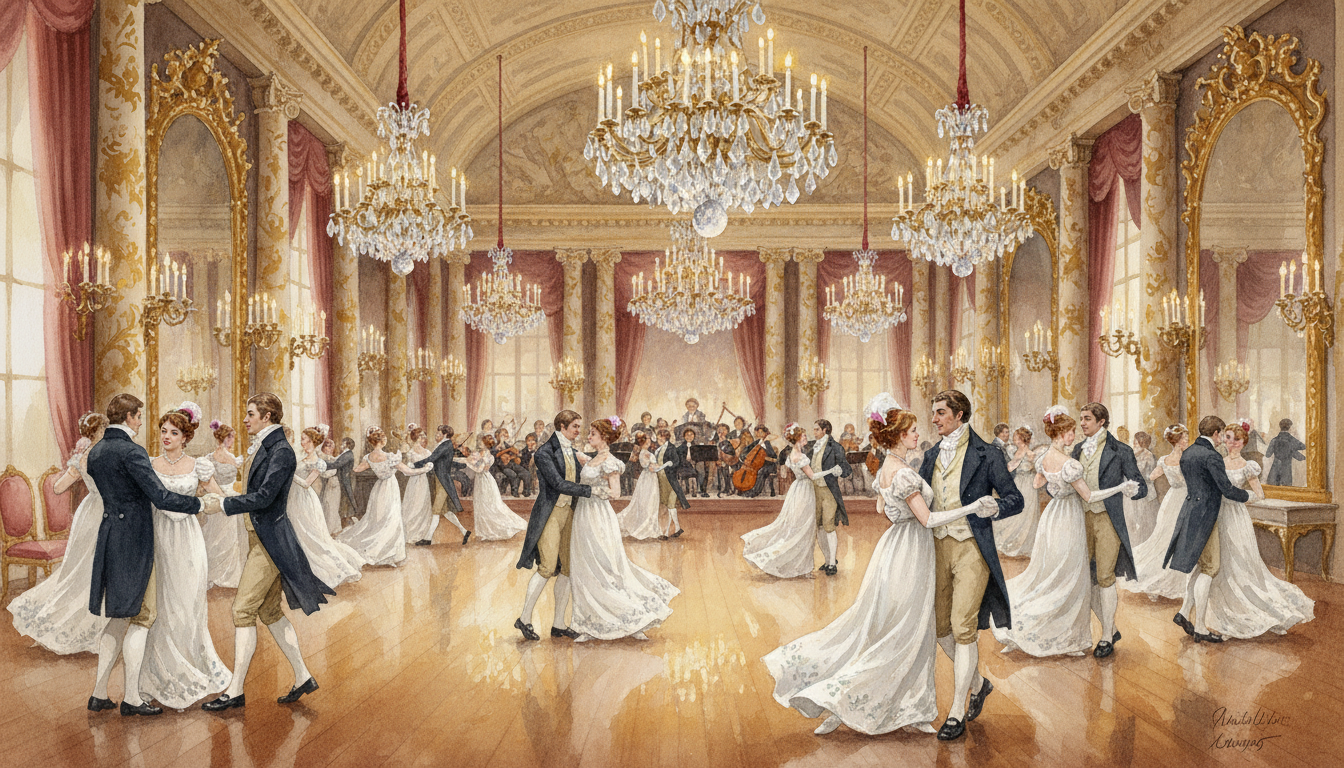
Life & Etiquette
The Rules of Society
In Regency England, social life was an intricate dance of rules, customs, and unspoken understandings.
The Social Code
Do's & Don'ts of Polite Society
Every interaction in Regency England carried weight. Knowing the rules — and knowing when others broke them — was half the drama.
"In Regency England, social life was a performance with strict stage directions. A single dance, a returned call, or a whispered introduction could alter the course of a life. Click each category below to explore the customs that shaped the world of Jane Austen's characters."
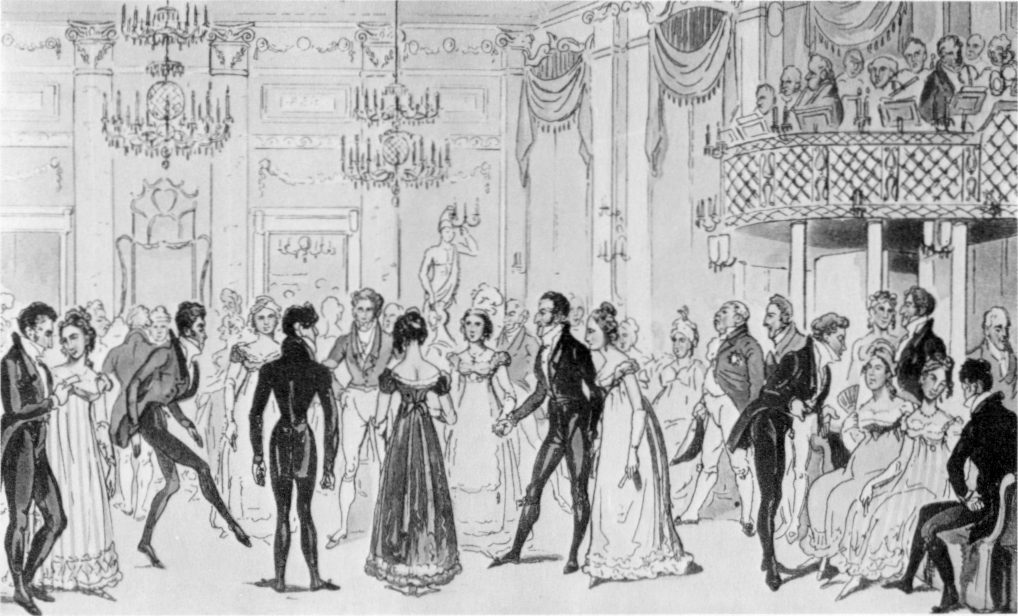
Almack's Assembly Rooms — the ballroom
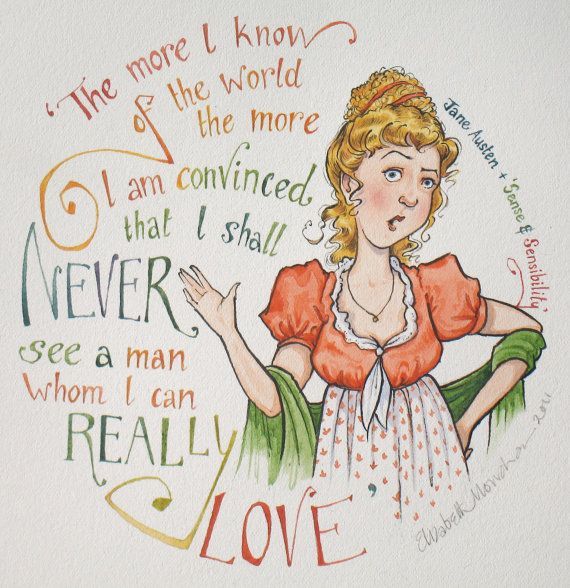
Regency ball — country dancing
The Duchess of Richmond's Ball, 1815
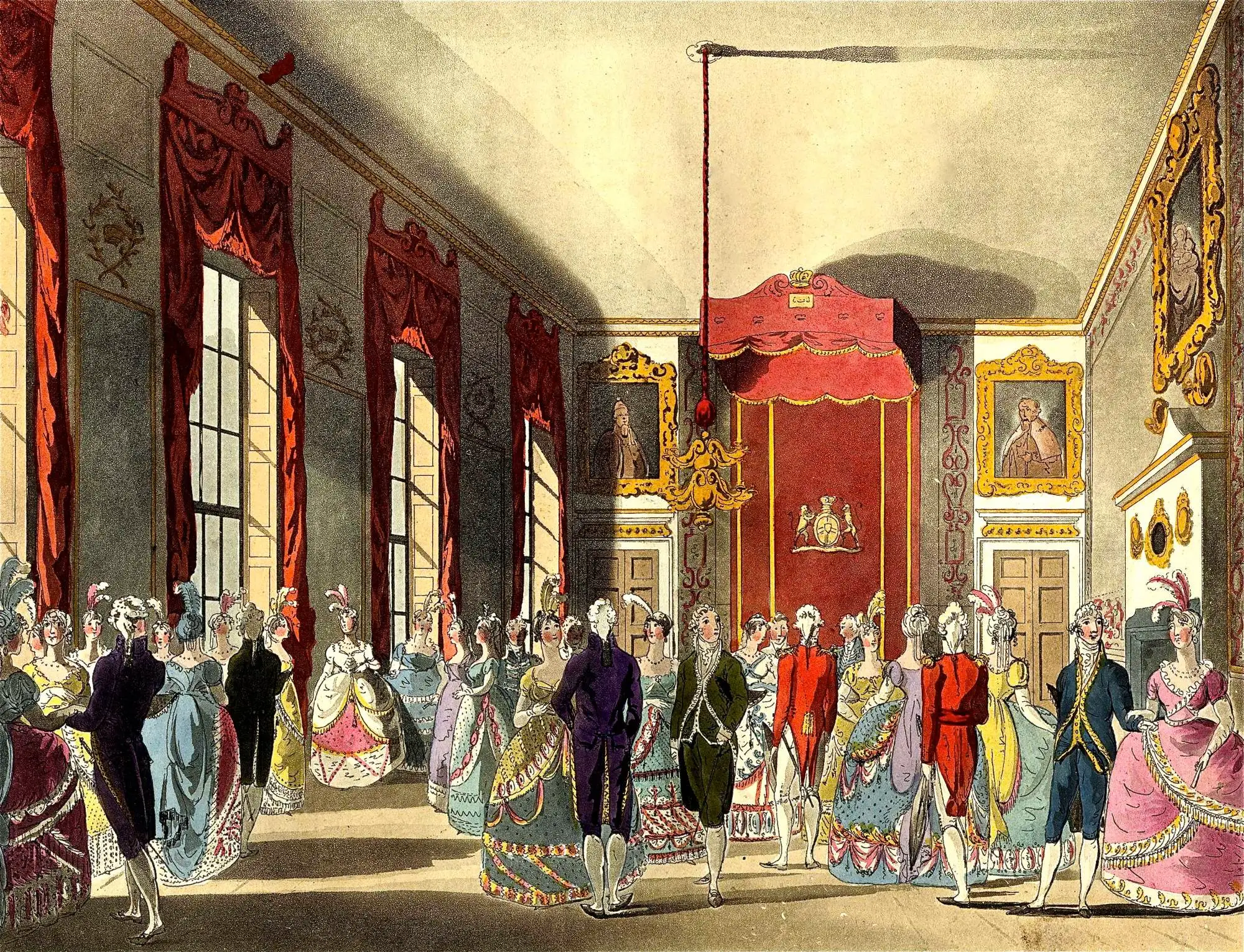
Drawing Room presentation at St James's Palace
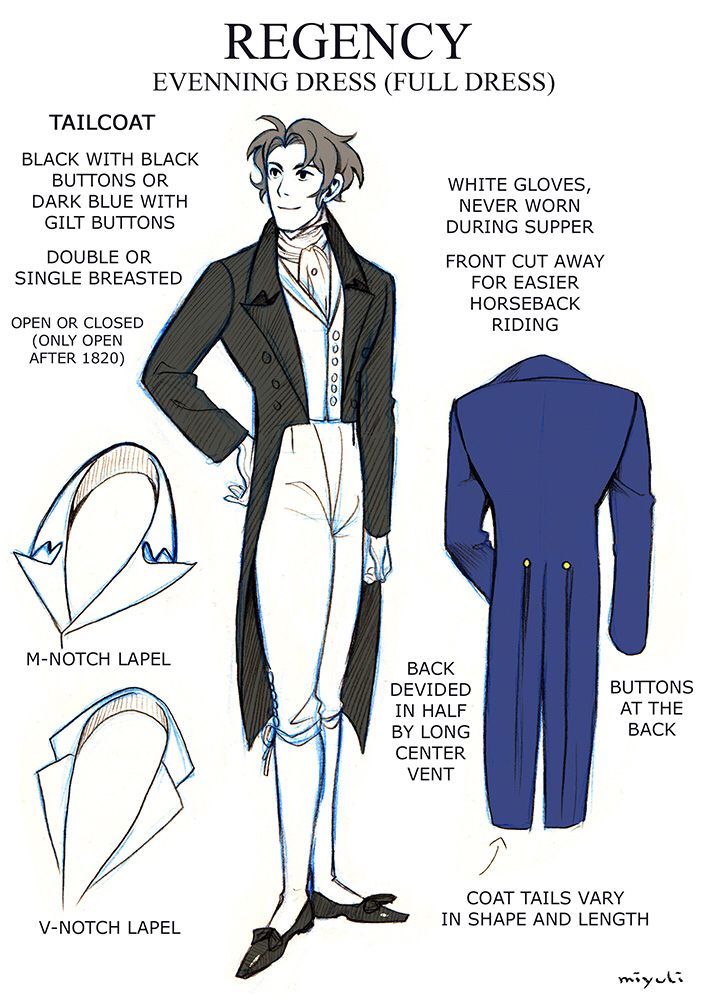
Regency dinner party
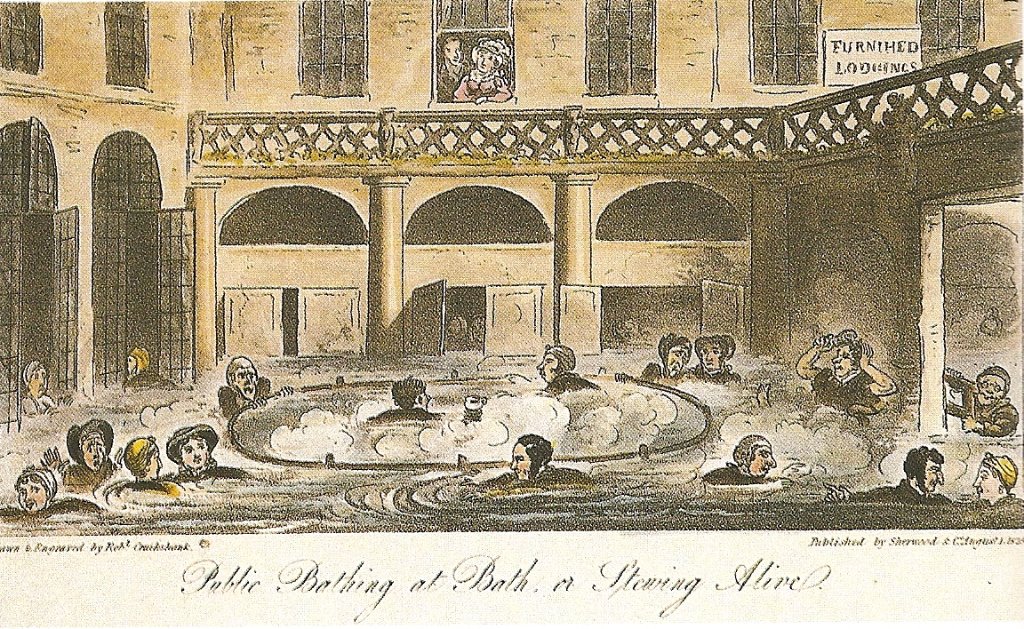
Public bathing at Bath — "Stewing Alive"
_LACMA_M.86.266.104.jpg&width=400)
The Season existed primarily as a marriage market, though no one said so openly. Families spent enormous sums on gowns, carriages, and entertainments in pursuit of a good match. For those without vouchers to Almack's, the season could feel like observing a grand party through glass.
London Fashionable Walking Dresses, c. 1810s (LACMA)
The Rules
Make your debut ("come out") during your first Season, typically at age 17–18.
Attend Almack's Assembly Rooms if you can secure a voucher — it was the social pinnacle.
Remain in London past July — the fashionable world retreated to the country.
Miss church on Sundays; it was as much a social as a religious obligation.
Beyond the Ballroom
Clubs, Food & Everyday Society
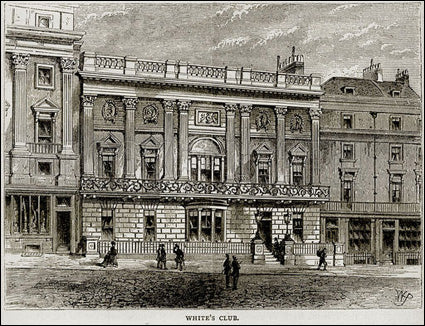
White's Club
White's on St James's Street — the oldest and most exclusive gentlemen's club in London. Membership was a mark of the highest social standing.
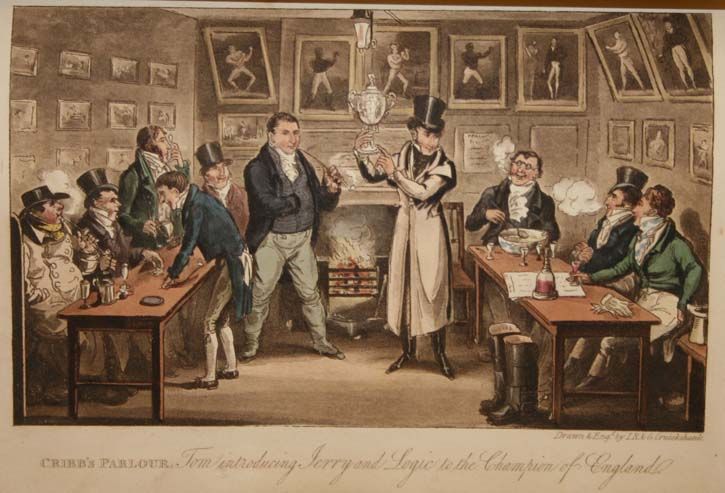
Cribb's Parlour
Tom Cribb's boxing parlour — where the sporting set gathered. Prize-fighting was the great masculine entertainment of the Regency.
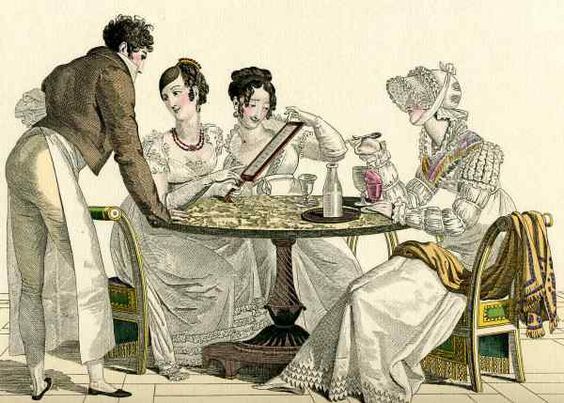
Gunter's Tea Shop
Gunter's in Berkeley Square — famous for its ices and confections, and one of the few respectable places a lady could be seen in the company of a gentleman unchaperoned.
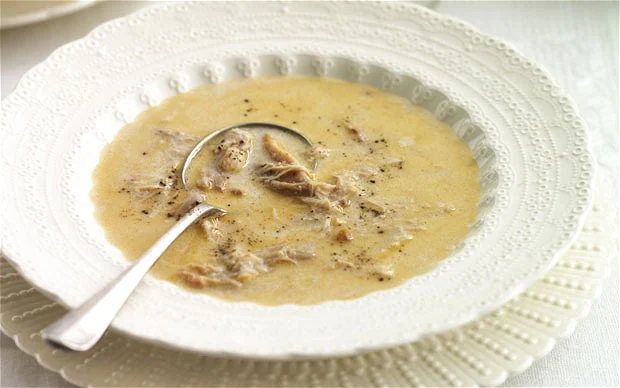
White Soup
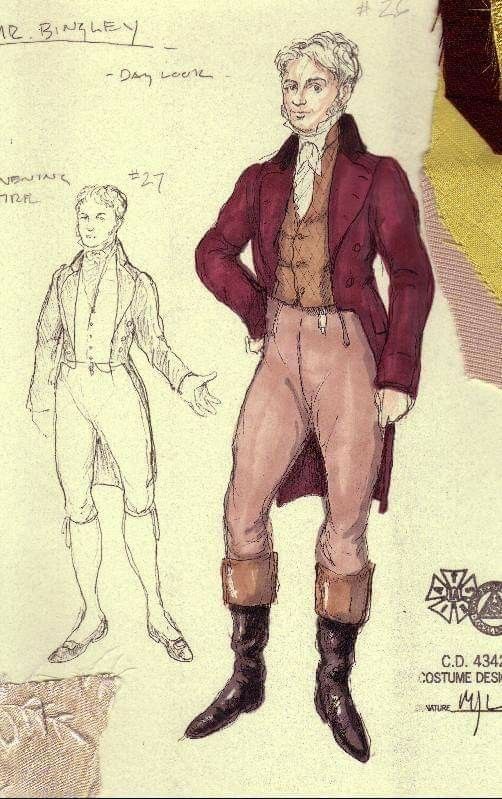
White soup — made from veal, cream, and almonds — was the traditional supper dish at Regency balls. Mr Bingley promises it at Netherfield.
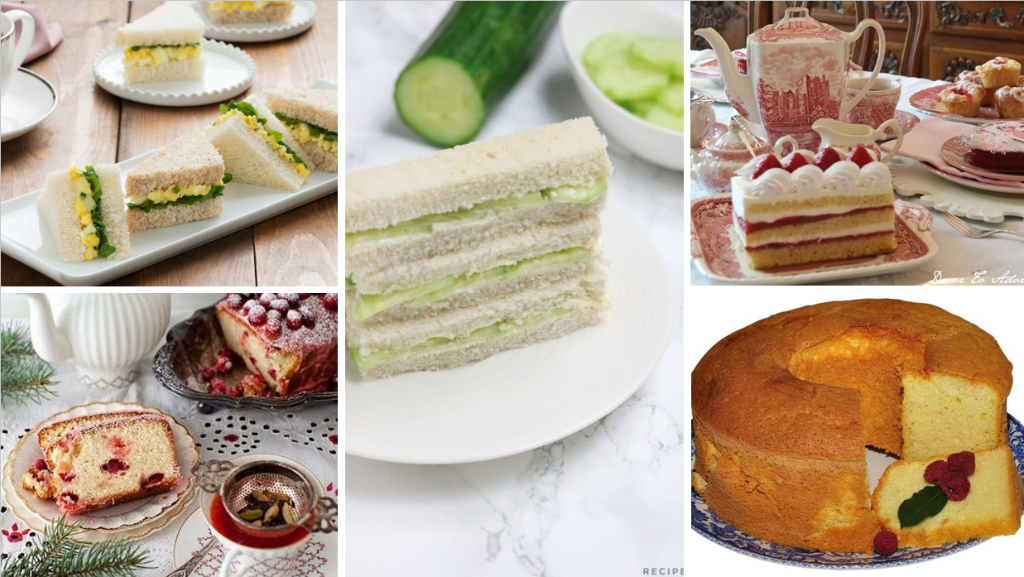
Regency Tea Table
Tea, board games, and sociable afternoons — the domestic drawing-room entertainments that filled the hours between calls and evening engagements.
Vauxhall Supper
Vauxhall Gardens supper boxes — where wafer-thin slices of ham and arrack punch were served amidst the lantern-lit trees.
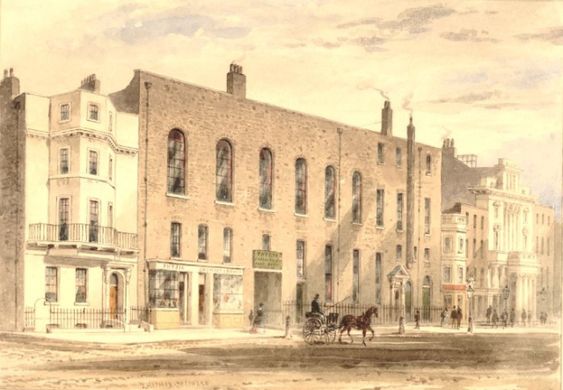
Almack's Assembly Rooms
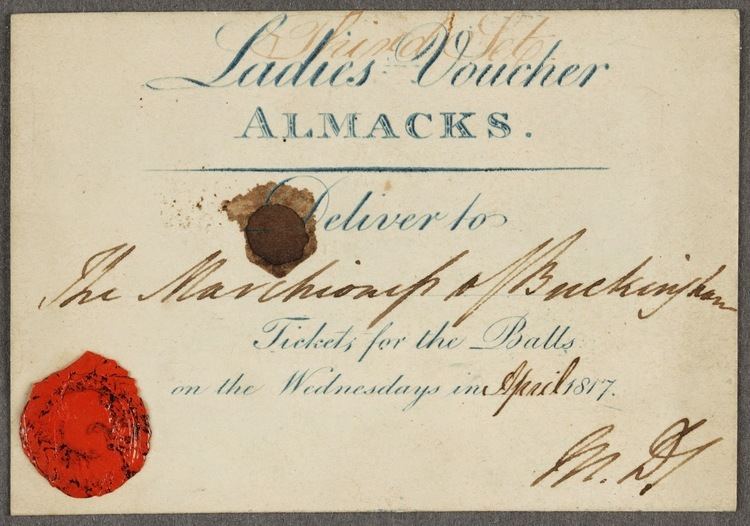
Almack's Assembly Rooms in King Street, St James's, was the most exclusive social venue in Regency London. Entrance was controlled by a committee of powerful Lady Patronesses — Lady Jersey, Lady Cowper, Princess Lieven, and others — who issued vouchers to those they deemed sufficiently respectable. To be refused a voucher was a social catastrophe.
The weekly Wednesday balls were the pinnacle of The Season. Supper was notoriously simple — thin bread and butter, weak tea, lemonade — in deliberate contrast to the lavish private entertainments of the aristocracy. The point was not the food but the company, and the company was everything.
Test Your Knowledge
Regency Etiquette Quiz
10 questions on the social rules of Regency England. How well do you know the code?
Question 1 of 10
Score: 0
At a Regency ball, who was responsible for introducing a gentleman to a lady for the purpose of dancing?
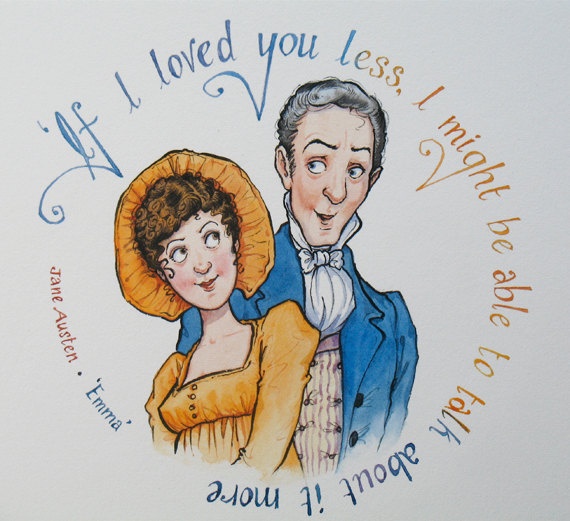
"The manners I speak of, might rather be called conduct, perhaps, the result of good principles."
— Jane Austen, Mansfield Park

